- By tabacco_Admin
- Marketing
- Sep 27, 2026
The pan masala market is currently going through an interesting phase of transformation. On one side, the premium segment is steadily strengthening its position, with consumers no longer focusing solely on quantity but increasingly giving importance to taste, quality and brand value. On the other hand, the mass market is witnessing an increasingly intense battle over price and grammage. These two contrasting trends are likely to shape the direction of the pan masala market in the coming period.
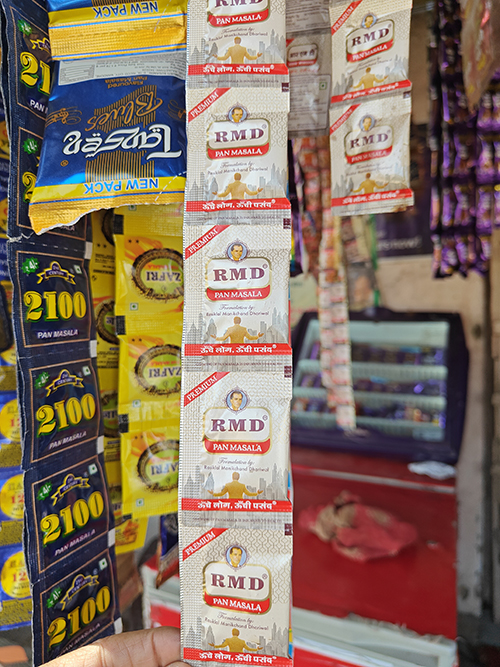
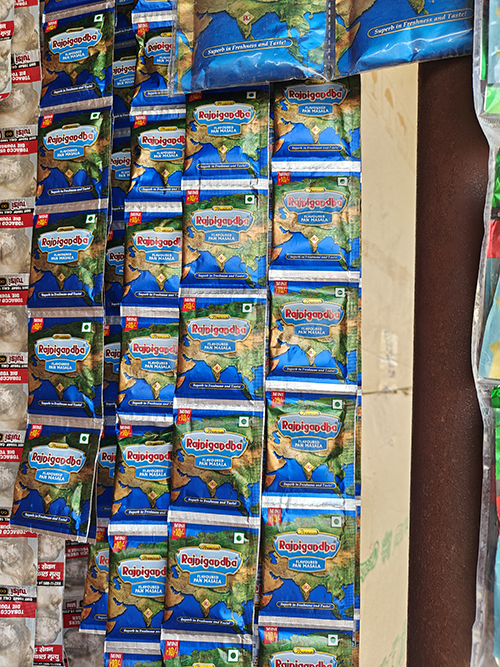
According to marketing experts, demand for premium pan masala is steadily increasing. Consumer behaviour is changing, particularly among higher-income consumers, who are paying more attention to the overall experience and quality of a product rather than simply its quantity. RMD and Rajnigandha are strong examples of this shift. The success of these brands demonstrates that in the premium market, strong branding, taste and quality can attract and retain consumers even with lower grammage.
Now, brands such as Signature, Kamla Pasand, Director, Pan Parag and Pan Bahar are also recognising this changing market landscape. The strategies being adopted by these companies indicate that the premium segment is no longer a limited niche, but is emerging as an important platform for brand growth. In other words, competition in the pan masala market will no longer be restricted to price and grammage; brand positioning and premium value are becoming equally important.
However, the largest volume of the pan masala industry still comes from the mass-based segment. This remains the real volume engine of the market and is also where competition is at its most intense. In this category, small packs of around 2.5 grams have become an established market standard. Here, the consumer’s purchase decision is largely driven by the equation between price and quantity.
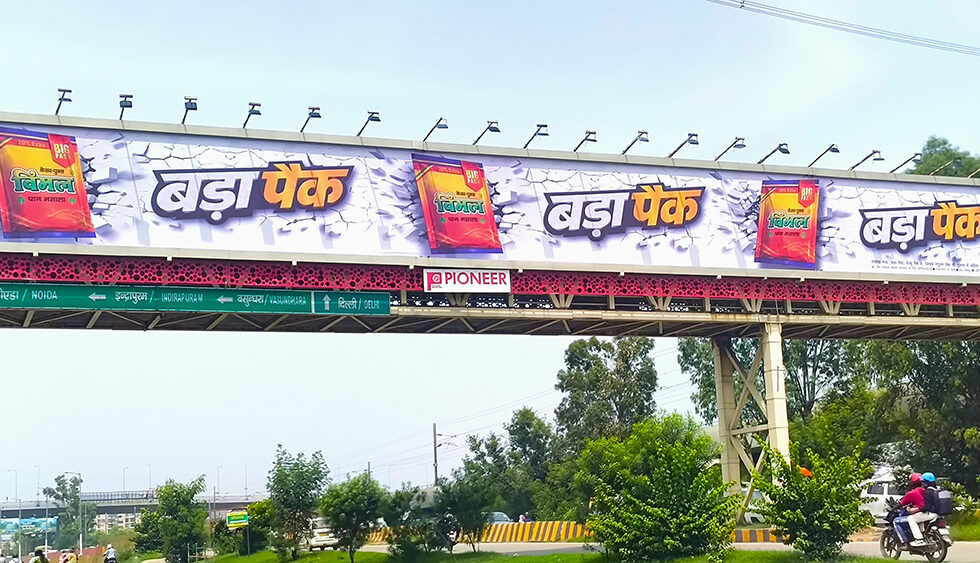
It is in this market that large pouches have created a new wave of competition. Consumers who previously bought two small pouches for ₹5 now have the option of purchasing a ₹20 pouch containing around 19–20 grams. The competition, therefore, is no longer just about brands; it is increasingly about “how much quantity the consumer gets for the money.” Higher-grammage pouches immediately appeal to price-sensitive consumers, and this value proposition is their biggest strength.
The manual production model has further supported this trend. The scope to manufacture and market larger pouches after payment of the applicable cess has created an opportunity for smaller and newer players to enter the market. Brands such as Paheli, Lehar and Patel have leveraged this opportunity in certain markets and established their presence. Particularly in markets where demand for large pouches is strong, these brands have demonstrated the ability to challenge established names.
However, the biggest strength of this model is also its biggest weakness—production capacity. Manual production can help a brand rapidly build a market in a particular region, but maintaining adequate and consistent supply across several major markets simultaneously is not easy. In a fast-moving consumer product such as pan masala, distribution and continuity of supply are extremely important. If demand is created but the product is not consistently available, the brand’s momentum can quickly come to a halt.
This is why marketing experts are cautious about making long-term projections based solely on the current large-pouch trend. Their view is that winning a market on the basis of higher grammage may be relatively easy, but sustaining that position over the long term is much more difficult. On one hand, limited production capacity can disrupt supply, while on the other, increasing grammage puts pressure on the cost structure. Higher quantities mean higher costs for raw materials, packaging and other inputs. If the market does not accept a corresponding increase in price, the brand’s profitability is bound to come under pressure.
This is where the real battle for the future begins. A large pouch can attract consumers, but can the same price, the same grammage and a regular supply be maintained consistently? At the same time, premium brands face the question of whether they can preserve their premium value despite increasing price sensitivity among consumers.
The pan masala market, therefore, is not moving in a single direction. At the top is premiumisation, while at the bottom is the battle for value for money. On one side, consumers are willing to pay more for better taste and stronger brands; on the other, the mass market continues to demand greater quantity for every rupee spent. The ability to strike a balance between these two ends will determine the real strength of brands in the coming years.
Ultimately, the brands that sustain themselves over the long term will be those that understand value beyond grammage, brand beyond price, and supply capability beyond market demand. The next battle in the pan masala market may not simply be about who sells more, but who can consistently deliver the right product, at the right price and in the right quantity, for the longest period of time.