

- By tabacco_Admin
- Marketing
- Jun 30, 2026
Will the New Cess System Redefine the Meaning of Success?
The Indian pan masala industry has long built its identity not merely on taste and sales, but also on brand reputation, consumer trust, and a sustained presence in the market. There was a time when the success of any brand was measured by higher sales and greater market share, but in today’s competitive environment, the definition of success has changed significantly.
Today, the success of a pan masala brand is not measured only through sales figures but is determined by its brand value, strong distribution network, consumer confidence, premium image, and the ability to remain relevant in the market for a long period. In the current scenario, the formula for success appears to be:
“Quality + Consistent Taste + Distribution Strength + Brand Identity + Consumer Trust + Premium Image = Success”
Today’s consumer does not simply buy a product; they buy an experience. If a product delivers consistent taste, attractive packaging, and enjoys a strong reputation in the market, consumers remain connected with it for a longer period.
If we look at the established names in the premium pan masala segment, brands like Pan Parag, Rajnigandha, and RMD Pan Masala have created their own identity. While Pan Parag has remained a symbol of traditional strength and widespread recognition, Rajnigandha has taken premium positioning to a new level. On the other hand, RMD has proved that success in the premium segment is not driven only by sales but also by the reputation a brand creates in the minds of consumers.
However, the industry has now entered a new phase.
The gram-based and machine speed-based cess system implemented from February 1 has triggered a fresh debate across the industry. Earlier, the impact of taxation was mainly value-based, but the new cess structure based on product weight has started directly influencing companies’ strategies.
For the premium category, this change is considered particularly important. Premium products generally come with better raw materials, specialised blends, and attractive presentation. Companies now face questions such as whether to increase prices, reduce grammage, or introduce new packaging strategies.
However, the premium market does not operate only on price. Here, consumers also value quality and brand reputation. Therefore, the impact on established brands may be different compared to the general category.
Meanwhile, a new pattern of competition appears to be emerging in the market.
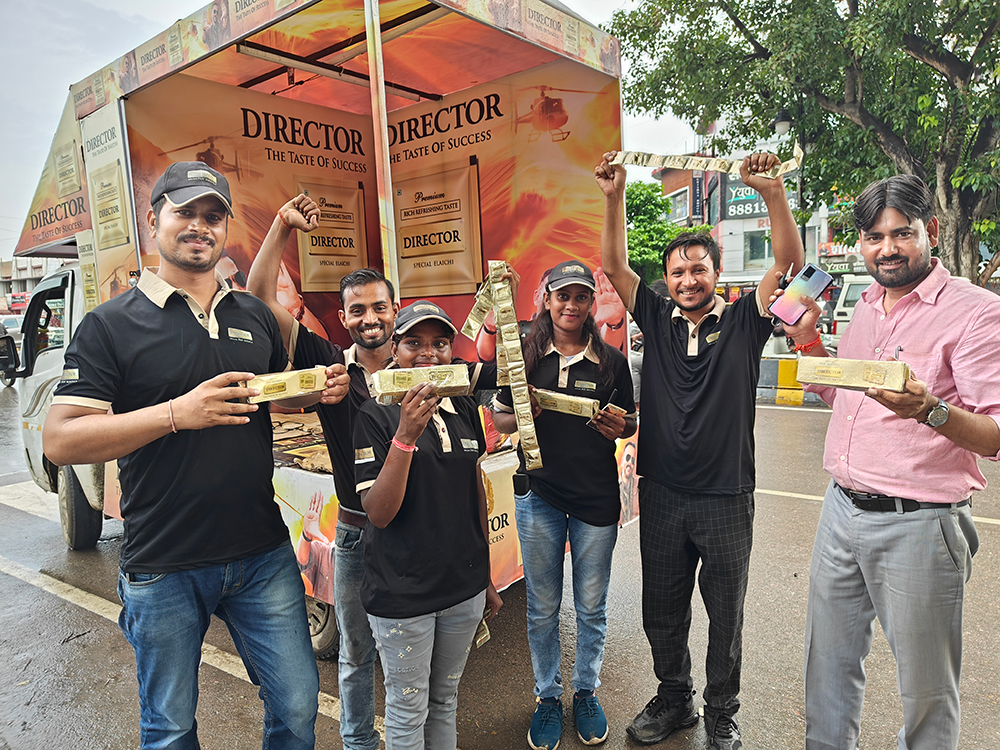
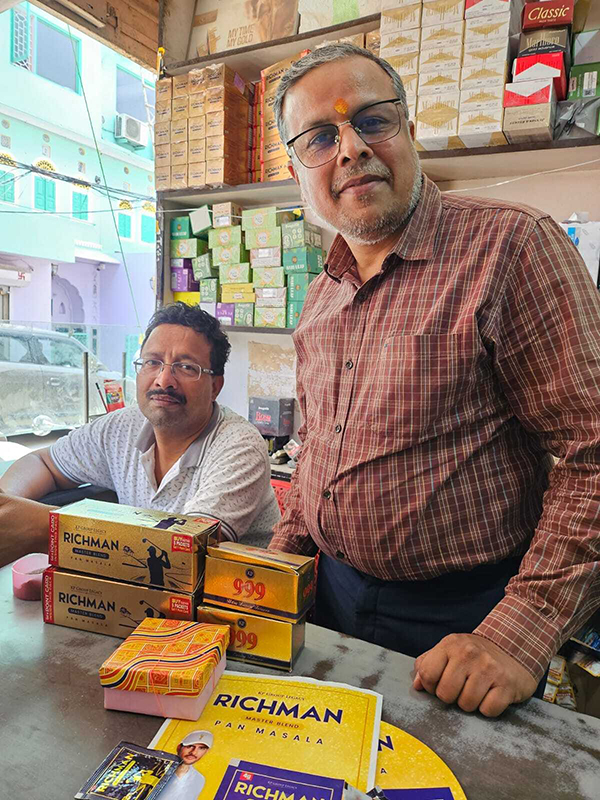
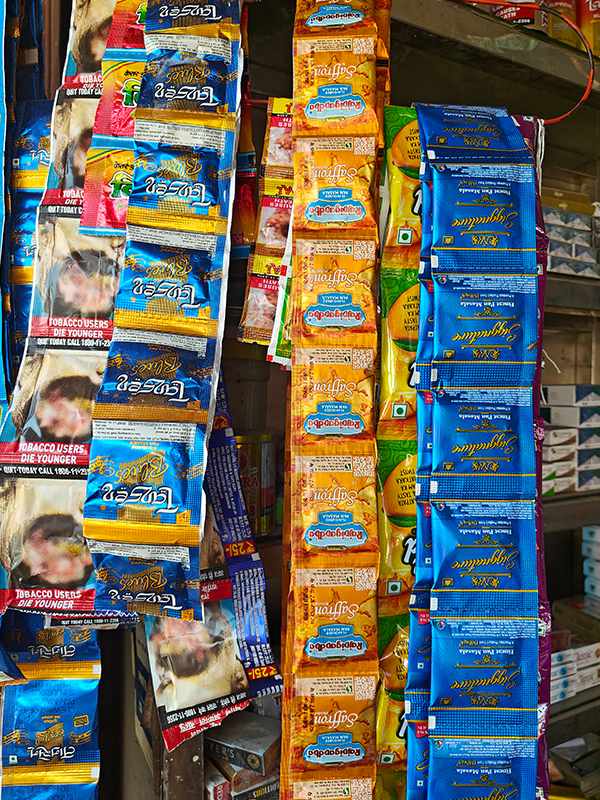
At present, brands like Richman, Signature, and Director are focusing strongly on the 4-gram category. Their strategy is to offer consumers a quantity where they receive a premium experience while keeping the price competitive.
Among these, the growing acceptance of Signature in the market has attracted industry attention. Demand in several regions indicates that consumers are no longer limited only to established brands but are also willing to explore new options.
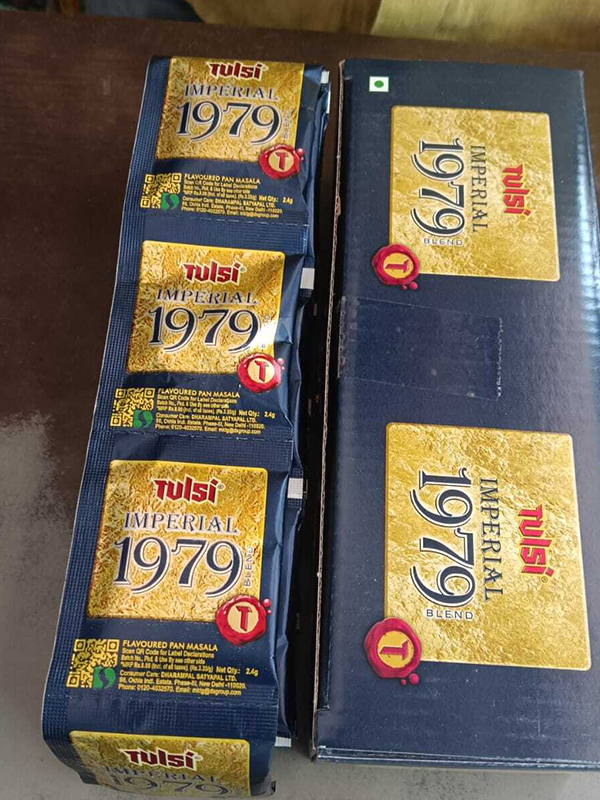
On the other hand, Tulsi Imperial 1978 has adopted a different strategy in the market. DS Group has introduced it as a pair of 2.4-gram packs at a ₹10 MRP, creating new movement in the premium segment. This appears to be more than just a packaging change; it seems to be a strategy based on understanding consumer psychology. The combination of two packs gives consumers a perception of better value and may prove effective in smaller cities and price-sensitive markets.
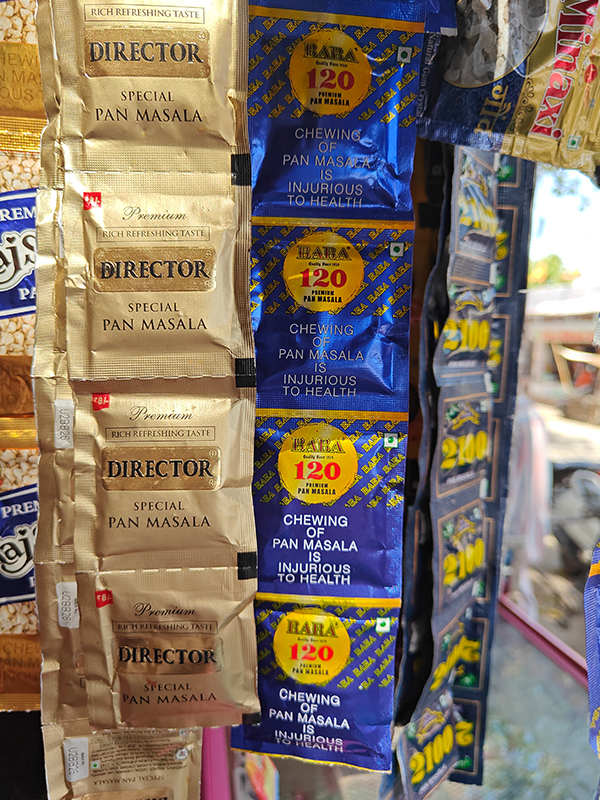
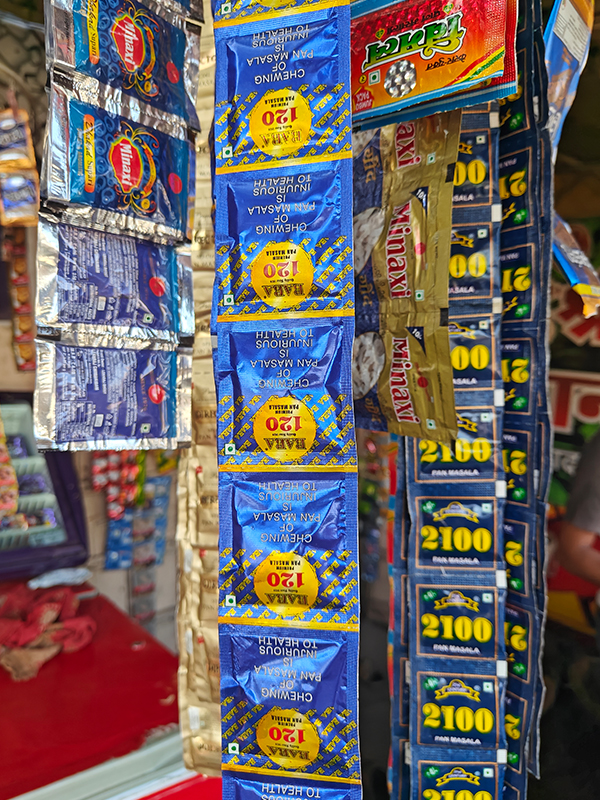
Similarly, Baba 120 cannot be ignored. With 3.5 grams at a ₹10 MRP, it has seen good demand across several states. This indicates that one single model may not succeed everywhere in the market.
Clearly, the premium market competition is no longer limited to taste alone. It has now become a competition between grammage, price, and premium experience.
As a result, several major changes may be seen in the market:
- Companies may experiment more with new pack sizes.
- Competition in the 4-gram, 3.5-gram, and 2.4-gram categories may intensify.
- The gap between premium and mass-premium segments may reduce.
- Consumers will get more choices, which may impact brand loyalty.
- Packaging and grammage strategy may become one of the biggest discussions in the industry in the coming years.
Today, the situation is such that old reputation alone is no longer a guarantee of success in the premium market. Going forward, the strongest brands will be those that understand the changing tax structure, new packaging strategies, and evolving consumer preferences in the best possible way.
From Delhi to smaller cities, market activities are clearly indicating that the premium pan masala industry has entered a new phase of transformation, and this change could redefine the entire meaning of success in the years ahead.
At the same time, industry observers believe that competition in the premium pan masala segment may become even more intense in the coming period. There are also discussions within the industry that several large groups may enter the market with new or repositioned brands and adopt a more aggressive approach. In such a scenario, there is speculation that brands from large groups, including Vimal, may make a stronger entry into the pan masala market with new strategies.
Currently, if we look at recent market developments, DS Group through Tulsi Imperial 1978 and K.P Group through Richman have established their new strategic presence in the market. However, the more important and interesting question is not only about new brand entries but also about the changing strategies of established premium brands.
Especially, if we look at Rajnigandha, one of the most influential and long-established brands in the premium segment, its movement towards the ₹10 MRP category can be considered a significant signal for the industry.
This may not simply be a pricing adjustment, but could reflect a deeper understanding of the market and changing consumer behaviour.
The first indication could be that premium brands no longer want to remain limited only to high-value consumers but aim to expand their reach among a broader and younger consumer base.
Second, the new grammage-based cess system has encouraged companies to rethink pack sizes and pricing structures. In such a scenario, the ₹10 MRP segment may emerge as a balanced option where brands can maintain their premium identity while remaining competitive in the market.
Third, this move may also indicate that brand reputation alone is no longer sufficient in the premium category. Companies are now giving equal importance to consumers’ daily purchasing capacity and buying behaviour. Today’s consumer wants a premium experience but does not ignore value.
If one of the biggest names in the premium segment, Rajnigandha, is seriously focusing on the ₹10 MRP category, it could become a major signal for the entire industry. This may encourage other companies to rethink their pack sizes, pricing models, and product presentation.
Market history shows that when major players change their strategies, the impact is not limited to their own products but influences the direction of the entire market. Therefore, the coming months may witness even more interesting and intense competition in the premium pan masala segment.