- By tabacco_Admin
- June 2026
- Jun 6, 2026
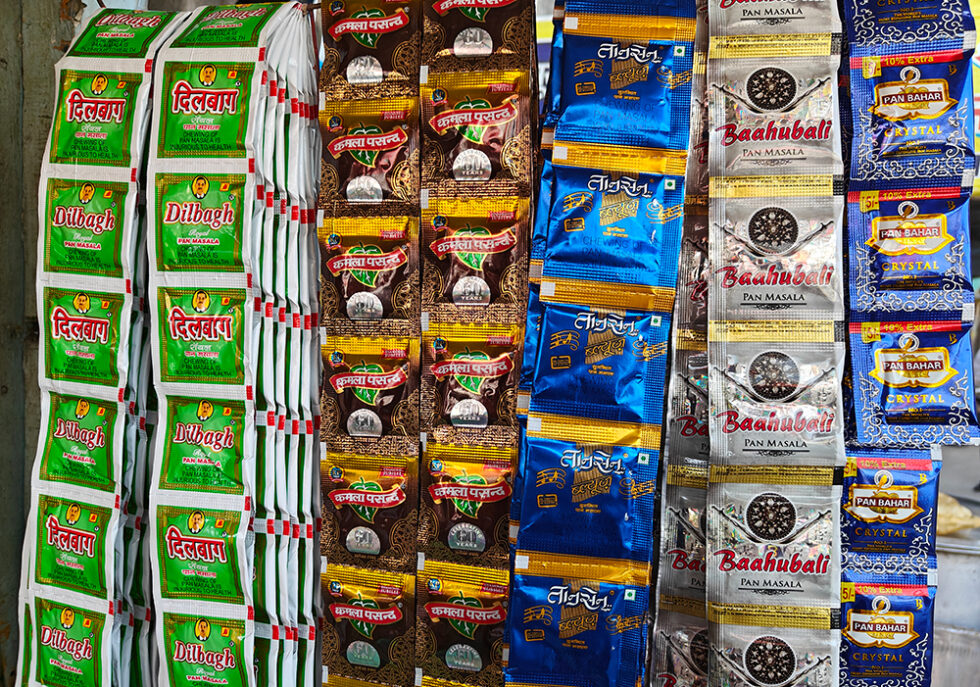
Multi-layer packaging protects pan masala and zarda products from moisture, oxygen, and temperature fluctuations
Any new regulatory change should be based on scientific studies, risk assessment, and practical realities
The proposed ban on multi-layer plastic packaging for pan masala and tobacco products through the draft Food Safety and Standards Packaging Amendment Regulations 2026 issued by the Food Safety and Standards Authority has triggered a serious debate within India’s manufacturing and business ecosystem.
Industry stakeholders and experts believe that the foundation of any new regulatory change should be based on scientific studies, risk assessment, and practical ground realities. At present, India’s pan masala, zarda, and flavoured supari industry is not only a major source of government revenue but is also linked to the livelihoods of millions of people and a vast agriculture-based supply chain.
Any such regulatory move directly impacts the country’s economic structure, industrial growth, and consumers’ daily habits.
The very spirit of the Food Safety and Standards Act, 2006 also emphasizes that food regulatory policies in India should be science-based and risk-based. However, in the current draft proposal, no concrete scientific report or comprehensive study has been publicly presented to academically or practically establish that existing multi-layer packaging materials compliant with established safety standards and migration limits are creating any unforeseen health risk to consumers.
Another major concern being raised within the industry relates to unequal treatment.
Several consumer products available in the Indian market including mouth fresheners, plain supari, chocolates, confectionery, chips, snacks, shampoos, conditioners, beverages, and even coconut oil are extensively sold in similar multi-layer plastic and sachet packaging. In such a scenario, imposing strict restrictions specifically on pan masala and zarda products does not appear logical from the industry’s perspective.
Manufacturers do not choose multi-layer packaging merely for attractive presentation or marketing strategy. Products like pan masala and zarda require complete protection from external environmental conditions to preserve their quality, distinctive taste, aroma, and freshness.
The currently used multi-layer packaging protects these products from moisture, oxygen, and temperature fluctuations. In a vast country like India, where extreme heat, humidity, and monsoon conditions coexist across different states at the same time, this technology acts as a protective shield to maintain product shelf life and stability.
If under the proposed rules, paper, paperboard, or naturally sourced materials are imposed as the only packaging alternative, product quality and stability may be severely affected. Paper-based packaging lacks the ability to completely block moisture and oxygen, which may result in premature spoilage, taste alteration, and increased risk of fungal or bacterial growth.
Ultimately, this would directly harm consumer protection and market credibility.
On the other hand, if the use of tin or glass containers is made mandatory, the practical and economic implications for the industry would be extremely expensive. Glass and tin packaging would significantly increase packaging and transportation weight. This would sharply raise logistics and transportation costs while also increasing the risk of breakage during loading and unloading operations.
The deepest and most damaging impact of such technical changes is likely to fall on micro, small, and medium entrepreneurs. A significant portion of India’s pan masala and zarda industry consists of small and medium-scale manufacturers.
Adopting new packaging materials would not simply mean changing raw materials; it would require a complete restructuring of manufacturing units and production lines. This includes modifying existing packaging machine settings, introducing new sealing technologies, adjusting machine speeds, and recalibrating sealing temperatures and pressure systems.
Large multinational corporations may be capable of absorbing such heavy capital investments and technical upgrades, but for small businesses, such sudden financial burdens could threaten their very survival. This could eventually lead to increased market monopolization by large players and closure of smaller industries, resulting in large-scale unemployment.
Apart from this, the supply chain and logistics front would also face serious challenges.
The entire distribution network, wholesalers, and retailers would have to adopt new storage and maintenance protocols according to the revised packaging standards. Biodegradable or naturally sourced packaging materials are highly sensitive to storage conditions. Even minor negligence during warehousing could destroy entire consignments before they even reach the market.
Another harsh reality of the Indian market is that consumers remain extremely price-sensitive. While consumers may prefer environmentally conscious products and better brand image, they are often unwilling to accept increased product prices.
The use of advanced packaging technologies such as high-barrier coatings, oxygen and moisture control films, and advanced lamination techniques will inevitably increase production costs. Once this additional burden is transferred to consumers, demand for products from legitimate and registered industries may decline.
In such a situation, counterfeit and illegally manufactured non-standard products could flood the market. This would not only severely impact government revenue but also pose even greater risks to consumer health.
Another important dimension is the export market.
India exports large quantities of pan masala and related products to many countries worldwide. International markets already have extremely strict and specialized packaging regulations involving recycling codes, traceability systems, and restrictions on single-use plastics.
Indian exporters are already using advanced and specialized packaging systems that comply with international standards. Imposing an abrupt complete ban in the domestic market could create major imbalance between domestic and export manufacturing, thereby weakening the global competitiveness of Indian exporters.
Ground realities also reveal that India’s waste management and recycling infrastructure remains highly limited and uneven. If the purpose of policy changes is environmental protection, then the country must first strengthen its recycling infrastructure. Simply imposing restrictions without practical infrastructure will not solve the problem.
Implementing such large-scale technical and structural changes overnight is practically impossible for any major industry. The industry must be given adequate time to test new technologies, assess market response, and upgrade machinery accordingly.
Instead of imposing a complete ban, regulatory authorities have several balanced and practical alternatives available. For example, migration standards for packaging materials can be made stricter. Laboratory testing and certification systems can be strengthened, and product monitoring mechanisms can be made more effective.
This approach would achieve environmental objectives without adversely affecting industrial operations.
The industry has always remained committed to consumer safety, regulatory compliance, and respect for government policies.
The pan masala and tobacco industry clearly states that it is not opposed to progressive reforms provided those changes are practical and inclusive.
Before finalizing any new regulation, it is essential to establish intensive, transparent, and constructive dialogue between the government, the Food Safety and Standards Authority, and all industry stakeholders.
Policy makers must understand the real technical challenges, financial limitations, and market realities faced by industries.
Today, the country does not need one-sided or hastily implemented restrictive decisions. Instead, it requires a scientific, practical, and visionary policy that can establish an ideal balance between environmental protection, consumer health, industrial growth, and economic development.
Such a collaborative and rational approach will ultimately prove most beneficial for consumers, manufacturers, government revenue, and the broader economy in the long run.
Get in Touch
GIVE A CALL TO TOBACCO PLUS

VISIT OUR LOCATION
B-117 A, Second Floor, Joshi Colony, I.P. Extension, New Delhi – 110092
© 2025 Tobacco Plus India || All rights reserved