- By tabacco_Admin
- Marketing
- Jun 6, 2026
In the New Era, launching a Brand Is No Longer Just About the Product — It’s About Complete Strategy
India’s pan masala market is no longer what it used to be. There was a time when low pricing, a strong trade network, and widespread distribution were enough for a new brand to establish itself in the market. But today, the industry has become far more organized, competitive, and strategy-driven. Launching a new pan masala brand is no longer merely about introducing a product; it is now about balancing product architecture, taxation, consumer behaviour, distribution, and brand building.
Tax Structure Has Changed the Entire Launch Equation
The current tax framework has deeply impacted the economics of the pan masala industry. Particularly, the low-unit segment once considered the backbone of volume sales has nearly disappeared. ₹1 and ₹2 packs are now close to extinction. The industry phrase, “2 brands for ₹5,” reflects the reality that the old low-unit model is no longer viable under the present taxation structure.
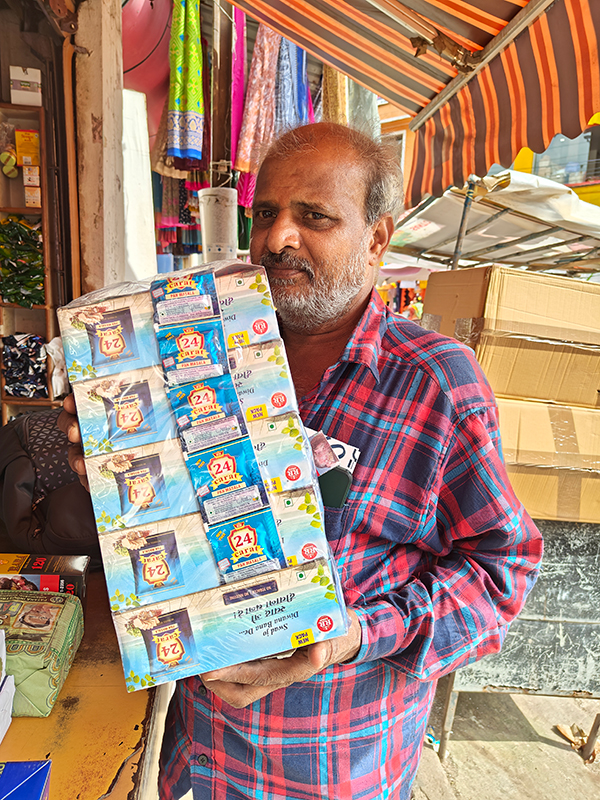
Earlier, ₹1 and ₹2 packs were the biggest tools for penetration in small towns, rural markets, and trial marketing. However, rising taxes, packaging costs, input expenses, logistics, and retailer margins have significantly weakened this model.
As a result, the market has shifted toward value packs. Packs priced at ₹5, ₹10, and above have become more relevant. Companies are now focusing not only on volume but also on value realization. In modern launches, price architecture plays a decisive role, and the market is increasingly moving toward premiumization instead of low-unit packaging.
What Does a Successful Launch Need Today?
Today, only those brands will succeed that address a clear market opportunity rather than simply selling a product. The first requirement is identifying the right market gap whether it is an opportunity in the value segment, demand for premium categories, region-specific taste preferences, or new positioning for younger consumers. Launches now need to be insight-driven.
Today’s consumers do not just buy taste; they buy an experience. Consistency of flavour, freshness, mouthfeel, aroma retention, attractive packaging, and trust in the brand all influence purchasing decisions.
However, the real key to success in pan masala remains the same availability and visibility. Without strong distribution, no launch can sustain itself. A solid super-stockist network, distributor channels, penetration into pan shops, rural coverage, beat planning, and outlet mapping have now become basic necessities.
Trade support is equally critical. A new brand’s first test is not with consumers, but at the retailer’s counter. Attractive margins, launch schemes, retailer incentives, counter branding, and repeat-order support provide the initial momentum to a new brand.
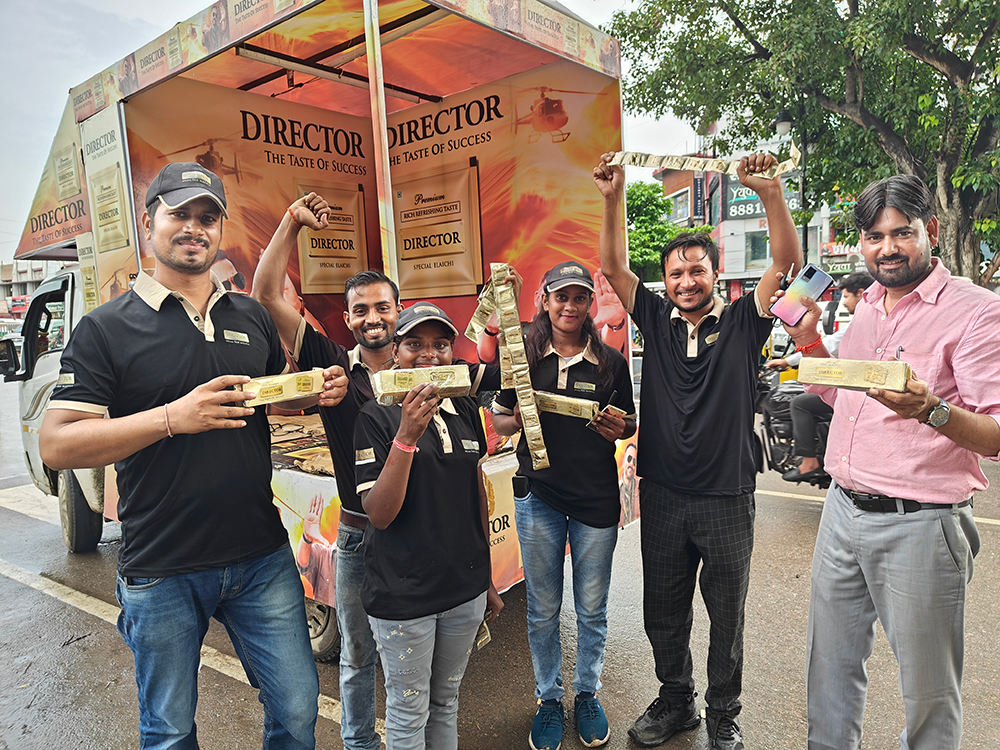
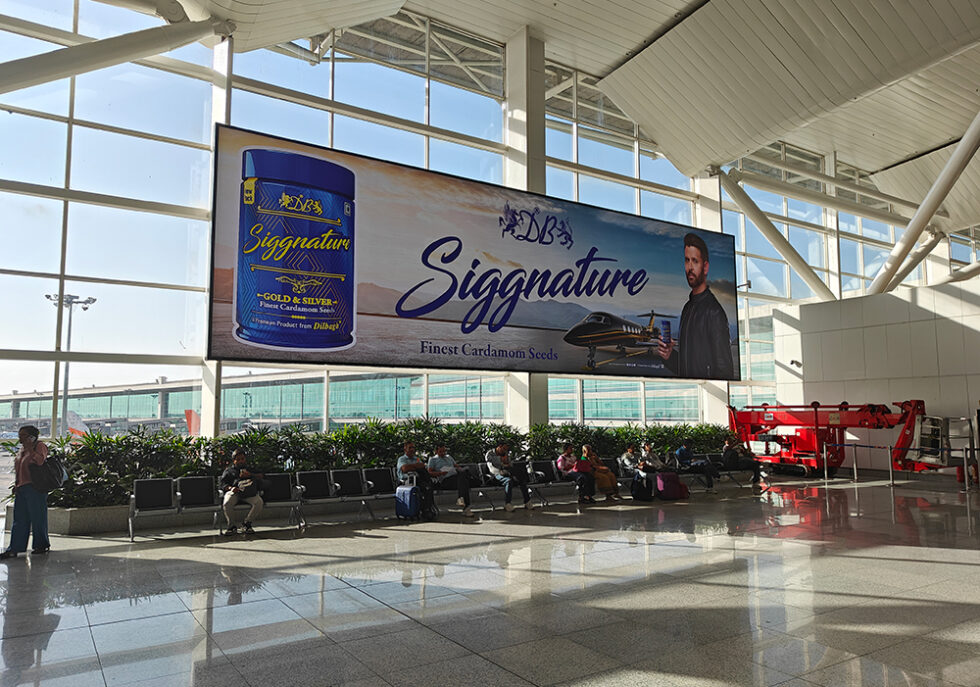
And now, having a good product alone is not enough. The brand must also be visible. In-shop branding, sampling, van campaigns, local activations, and promotional support have become essential components of launch strategy.
What Should the Marketing Team Look Like?
Launching a new brand requires a strong and professional team structure.
At the top, there should be a National Sales/Marketing Head responsible for defining launch strategy, pricing, sales targets, and distribution expansion plans. Alongside, 1–2 Brand Managers should oversee brand identity, packaging, and promotions.
At the field level, a team comprising 3–5 Regional Sales Managers, 5–10 Area Sales Managers, and 10–20 Territory Sales Officers drives the launch execution on the ground.
Additionally, a dedicated trade marketing team is necessary for schemes, visibility, and activations. Given today’s competitive environment, market intelligence and MIS have also become crucial for tracking competitor pricing, schemes, and sales data.
At the retail level, promoters and merchandisers bring the brand alive at the counter. An effective initial launch team of around 50 or more people is considered practical for the market today.
What Has Changed in Launch Strategy?
Earlier, launches were based on low-price, high-volume models. Basic distribution and limited branding were considered sufficient. ₹1–₹2 packs were the engines of the market.
Today, the picture has completely changed. Sustainable pricing, value-based models, structured distribution, and brand-driven growth have become essential. Packs priced at ₹5 and above are now at the centre of the strategy.
Seven Key Principles for a Successful Launch
For a new brand, simply manufacturing a product is no longer enough a comprehensive market-entry strategy is essential.
- Pricing must align with the tax structure.
- Retailer margins must remain competitive.
- Distribution should be prioritized before advertising.
- Regional taste preferences must be understood.
- Team structure should be prepared before launch.
- And most importantly, the focus should not be on volume alone, but on repeat business.
Is Premiumization the Next Big Trend?
The industry increasingly believes that as the low-unit segment weakens, premiumization will accelerate. Flavour innovation, premium mouth-freshener positioning, attractive packaging, premium sachet concepts, and urban consumer-focused variants are all signs of this transition.
It is quite possible that in the coming years, the pan masala market will become significantly more value-driven and brand-driven.